


About us
Crown Ridge Group bridges strategy and execution in the Workday ecosystem.
Explore morePhone
704.989.7085
.svg)
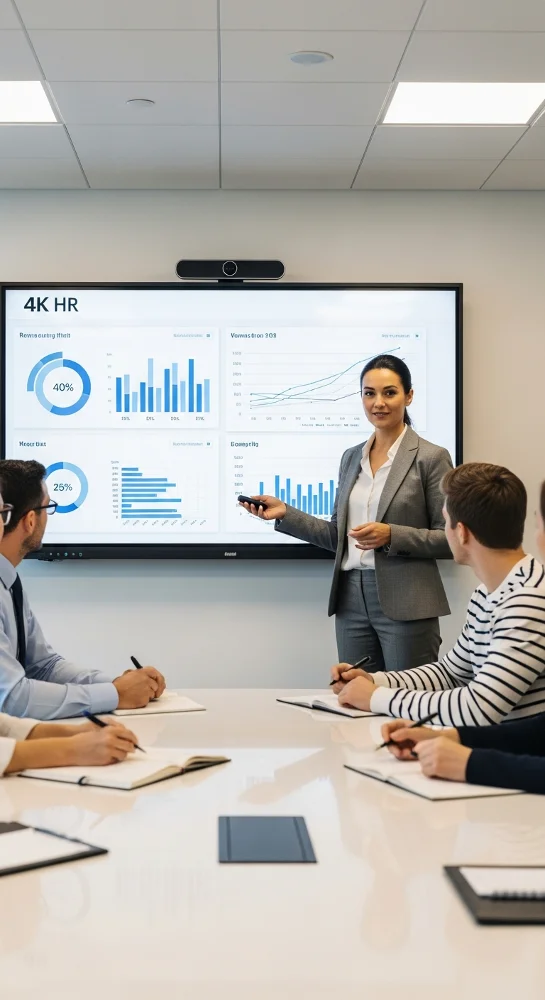
Reactive HR teams struggle to scale. CRG outlines how to build a strategic HR operating model with Workday as the operational backbone for your entire business.
.webp)
Damien Benson is the founder of Crown Ridge Group and a Workday Pro Certified consultant with 10+ years of HR technology experience across HCM, Payroll, and Security.
The reactive HR function is easy to recognize. The team is busy every day but struggles to demonstrate strategic value. Managers treat HR as a service desk. Leaders ask HR for data it cannot produce quickly or confidently. The team spends its time on transactions instead of strategy. This is not a talent problem. It is a structural problem, and structure can be changed.
A scalable HR operating model separates the work into three distinct tiers. The first tier handles high-volume transactional work through automation and self-service. In Workday, this means manager and employee self-service for routine requests, automated business processes for approvals and notifications, and configured workflows that eliminate manual handoffs. When the first tier works well, the HR team is not processing routine requests. The system is.
The second tier handles operational HR work that requires human judgment but follows established processes. This includes HR business partner support for managers, compensation review cycles, performance management coordination, and policy application. The second tier is where most HR teams currently spend the majority of their capacity. In a well-designed operating model, this tier is more efficient because the first tier has handled everything it can automate.
The third tier is strategic HR work: workforce planning, organizational design, talent development strategy, and executive partnership. This is where the highest value lives, and it is the tier most HR functions rarely reach because the first two tiers consume all available capacity.

The technology layer of a scalable HR operating model is not a system of record. It is an operating platform. Workday is built to do significantly more than store employee data. When configured correctly, it automates workflows, surfaces workforce analytics, manages compensation cycles, supports succession planning, and integrates with finance and operations in ways that make HR a genuine business intelligence partner.
Most organizations use a fraction of this capability. The Workday configuration reflects the state of the business at go-live, not the state of the business today. Closing the gap between what Workday can do and what the organization is using it for is the foundational step in building a scalable operating model. This includes activating modules that were licensed but not implemented, configuring dashboards that give managers visibility into their teams, and building the reporting infrastructure that HR leaders need to advise the business.
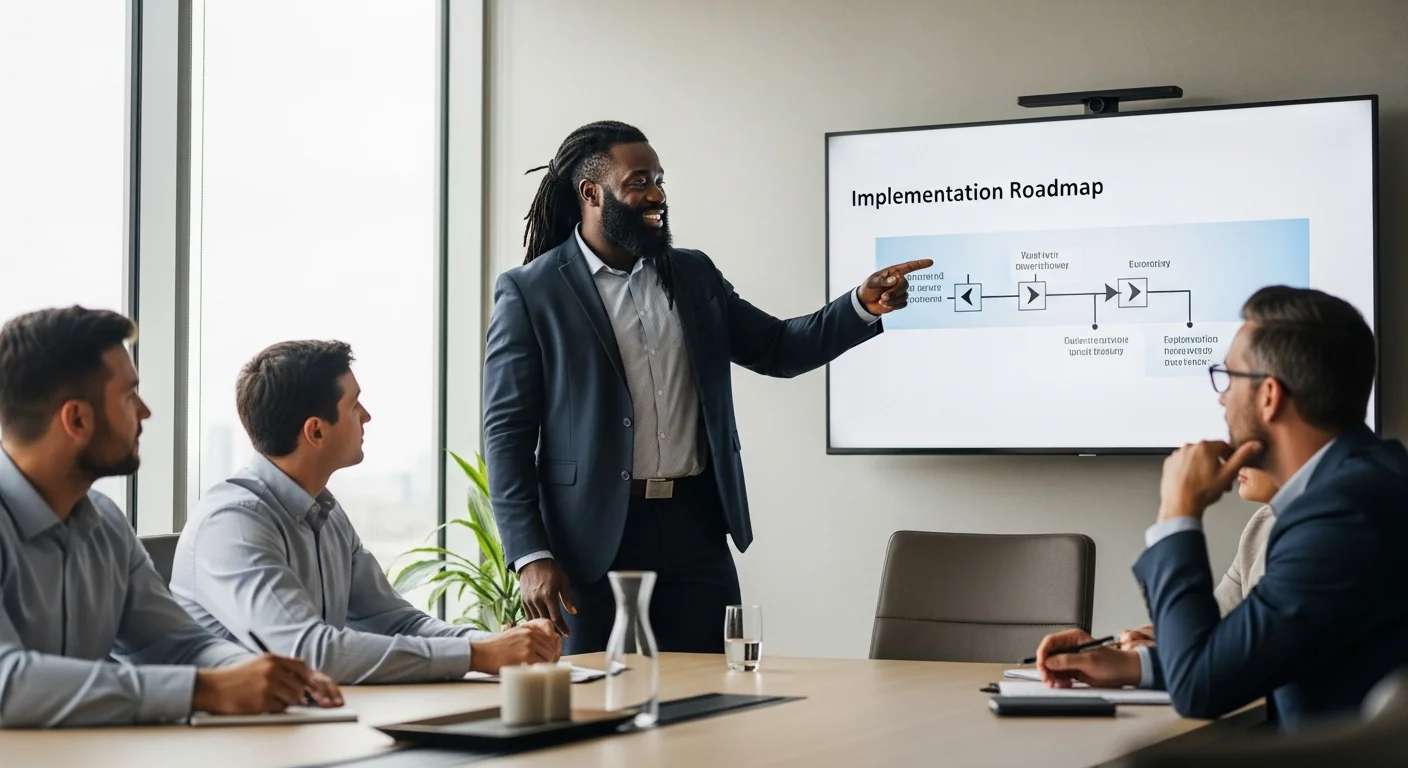
Technology and process design are necessary but not sufficient. A scalable operating model requires clear role definitions, explicit accountability structures, and governance that keeps the model current as the organization changes. This means defining what HR business partners own versus what centers of excellence own versus what shared services handles. It means documenting process ownership and establishing escalation paths that work in practice, not just on paper.
Governance also means periodic review. Operating models that are designed well at one organizational size often need adjustment as the organization scales. Building in scheduled model reviews ensures the structure stays aligned with the business rather than drifting into obsolescence.
The transition does not happen in one project. It happens through a sequence of improvements that progressively free up HR capacity and demonstrate strategic capability to business leadership. The organizations that make this shift successfully start with a clear-eyed assessment of where capacity is being consumed today and where it needs to be redirected. They build the technology and process foundation before attempting to reposition the HR team. They invest in the change management required to shift how managers and employees interact with HR.
CRG specializes in exactly this transition. Start with a conversation about your HR operating model.